
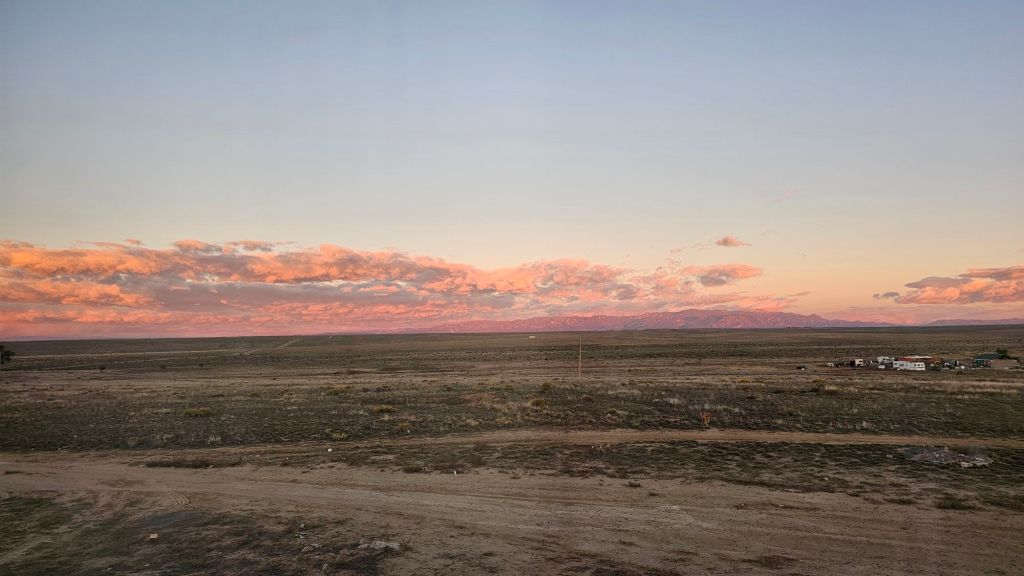
Hi, I’m Savannah!
Coming from Georgia, where the water table sometimes seems to be practically above our ears, moving to a water-scarce area like Colorado’s Front Range was definitely a learning experience. We moved out here in 2022, about 20 minutes from Fort Carson.
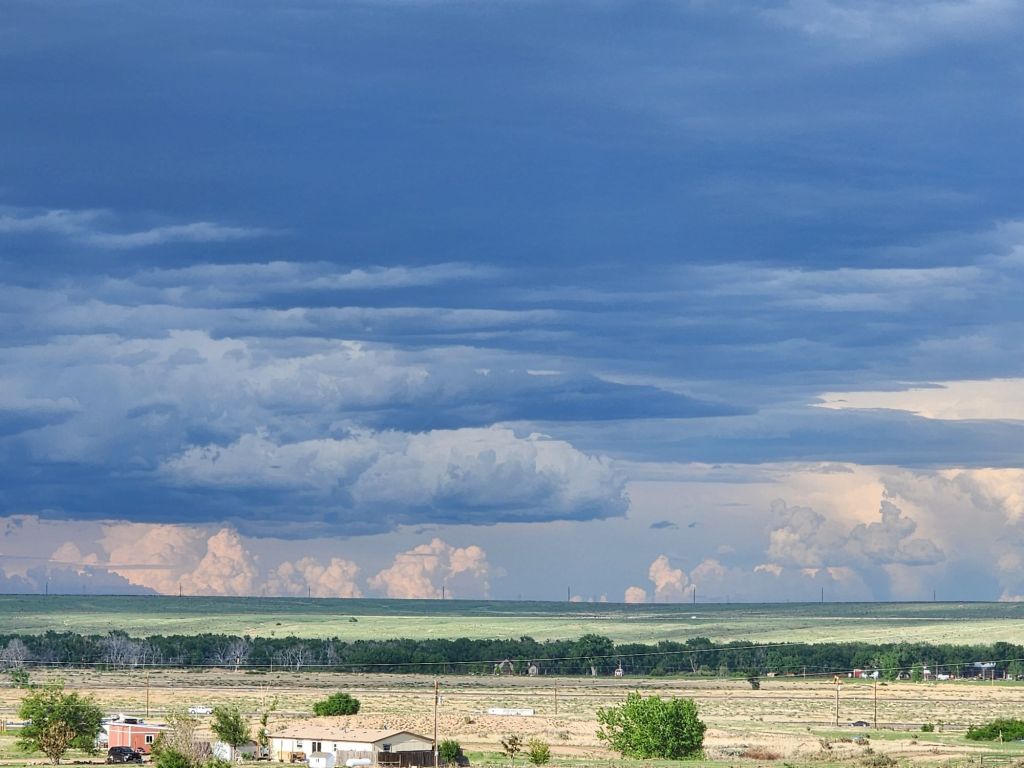
A Little Backstory
My first water-related adventure out here was figuring out who actually supplied our water. I knew it was piped in, unlike some of our neighbors who lived on dreaded cisterns. (Dun dun dunnnnn!)
After spending a day trying to figure out who our provider was, I was introduced to the concept of a water mutual company. Don’t ask me too much about those. I still don’t know a whole lot! All I knew was that after our first $400 water bill, I learned to keep a close eye on our water consumption and just how much water our water softener used.
Fast-forward to 2025. Now we’re getting to cisterns.
After experiencing the growing pains of learning how to care for a manufactured home, along with a huge helping of managing my expectations, I started looking for a place that was a little newer, had more acreage, and offered a view of the mountains. Or, at the very least, I was keeping my eyes open.
And wouldn’t you know it? A 35-acre property on a hill, with great mountain views, went up for sale on a road I drive every day to and from work.
A newer (well, newer than our house at the time, anyway) manufactured home, a larger lot, and a great view. What was the catch?
It was on a cistern.
My realtor had warned me about cisterns back in 2022. I’d heard the horror stories about running out of water during a snowstorm, with water trucks unable to make deliveries for who knows how long. It was almost a dealbreaker.
But as I drove past that property every day, I started to weaken. What if it wasn’t so bad?
Well, as you may have guessed from the title of this post, I caved. We bought the house with the dreaded cistern.
Our cistern has a 1,000-gallon capacity. We moved in December 2025, and here’s some things we’ve learned since then.
1. A Thousand Gallons Isn’t as Much as You Think
First lesson: 1,000 gallons isn’t a lot of water when you consider the average American household’s water usage.
When we first moved in, I was terrified of running out. When every toilet flush can use over a gallon, a washing machine cycle uses 15 gallons (more on how I know that later), and a “Savannah bath” uses upwards of 20 gallons, I started counting the half-seconds everyone spent with a faucet running.
My goal was to make those 1,000 gallons last at least a week, maybe a week and a half.
And you know what? We did it!
I’m writing this after going two weeks without a water delivery. (Oops, I forgot to schedule our delivery.) We actually still had a few inches of water at the bottom of the cistern when our delivery arrived today.
Definitely going to try to avoid cutting it that close in the future, though!
2. The Right Equipment Makes a Difference
When we moved in, I noticed these contraptions inside the toilet tanks. After some investigating and a few Google searches, we discovered that all our toilets had low-flow systems installed. These limit the amount of water used and even have adjustable flush settings for solid or liquid waste.
Our bathroom faucets also have water-saving attachments.
These little things might not seem like much on their own, but when you’re trying to stretch a limited water supply, every gallon counts
3. Schedule Your Water Delivery on Time!
Most water delivery companies around here only deliver on certain days of the week, and their delivery slots fill up quickly.
Our provider requires a few days’ notice to get us on the schedule, so we have to anticipate when we’ll need more water and order it in time.
Otherwise, you end up going twice as long without a delivery as you normally would.
Oops.
Lesson learned: don’t wait until you’re almost out of water to schedule a delivery!
4. Washing Dishes Uses More Water Than You Think
“TURN THE WATER OFF!” I screech at my husband when he’s standing at the sink, letting a dish that needs scrubbing fill up halfway with water.
I started paying attention to how much water we used just to prewash dishes after we moved here, and WOW.
If you let an 8-ounce glass fill all the way to the top to rinse it, instead of using a little water in the bottom and swishing it around, that water really adds up. And don’t even get me started on those pots!
I need to measure this officially, but just by eyeballing it, I’d estimate that I’ve cut our water usage by at least five gallons a day simply by changing my dishwashing habits.
Five gallons a day! Just from being more mindful about how I rinse dishes.
It’s a small change, but it makes a big difference when you’re living with a limited water supply.
5. Laundry Is a Whole Different Challenge
One thing we can’t cut back on quite as easily is laundry.
Between outdoor chores, dust and pollution in the air, military uniforms, baby clothes, and dog towels, we’re doing laundry every day.
Our washing machine uses about 15 gallons of water for one large load.
How do I know this? I’ll explain that in the next section!
6. Plants Need Water, Too!
So, what’s the solution to having a garden in the high desert when you’re living on a cistern?
Recycled greywater!
Remember how I mentioned that a load of laundry uses about 15 gallons of water? I know because I’ve diverted our washing machine’s drain water into a water barrel that we use to water our plants. After one load of laundry, it takes about three 5-gallon buckets to empty the barrel.
We use a biodegradable laundry detergent, and we’re careful about what goes into our laundry water because we don’t want to introduce unwanted chemicals or excess salts into the soil.
Our tomatoes this year were watered exclusively with laundry water and the little rain we received here.
It’s been a great way to reuse water that would otherwise go down the drain!
A quick note about greywater: Always check your local laws and regulations before setting up a greywater system. What’s allowed can vary depending on where you live and how your plumbing and wastewater systems are set up. Since we don’t have municipal water and use a cistern and septic system, our situation may be different from yours.
Also, make sure your greywater setup is appropriate for your plants and soil. Not every detergent or type of wastewater is suitable for reuse, and some systems require specific precautions.
7. Rainwater Collection Has Rules, Too
I’ve seen the debate on Facebook so many times: Is it illegal to collect rainwater in the United States?
The short answer is that rainwater collection is allowed in many places, but the rules vary by state and sometimes by locality. Don’t assume you can collect as much as you want or set up any system you like without checking the regulations where you live.
When I lived in Georgia, I had my goat and chicken waterers hooked up to a 50-gallon rain barrel that collected water from the roof of the chicken coop. It generally collected enough rainwater to keep the animals watered.
I knew that wasn’t going to be the case after moving here.
Before we moved onto a cistern, I sold all my birds and most of my goats. Animals, just like plants, can require a significant amount of water, so for now, our animal count is limited by our available water supply.
It’s one of those practical decisions you have to make when you’re learning to live within the resources you have.
8. Our Future Plans for Water and the Ranch
As we expand our cistern capacity and increase our access to water (hopefully with a well someday 🤞), we hope to grow our little ranch, too.
Living on a cistern has been a huge learning curve, but we haven’t run out of water since our first week after moving in, and it honestly hasn’t been as bad as I thought it would be.
The changes we’ve made to our lifestyle have also encouraged us to be more mindful of our water consumption and the resources we use. I’m grateful for the opportunity to learn and grow this way.
I hope you learned something about living on a cistern and that I’ve made the idea a little less intimidating. Or, at the very least, I hope sharing our experience gave you some useful things to think about!
Until next time! 🫶


Leave a Reply